Call To Order

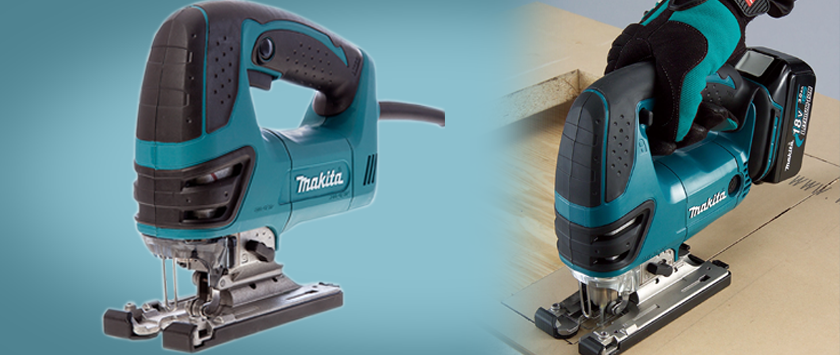
A saw is a tool consisting of a tough blade, wire, or chain with a hard-toothed edge. It is used to cut through material, very often wood though sometimes metal or stone. The cut is made by placing the toothed edge against the material and moving it forcefully forth and less forcefully back or continuously forward. This force may be applied by hand, or powered by steam, water, electricity or other power source. Saws are commonly used for cutting hard materials. They are used extensively in forestry, construction, demolition, medicine, and hunting.
TYPES OF SAWS
“Basic” Handsaw
Arguably the most iconic and reliable of all wood saws, it’s no doubt that this tool has changed the world. They’re also useful for reminding you that you’re out of shape when cutting.
Hack Saw
This type of handsaw features a fine-toothed blade tensioned in a C-frame. Commonly used for cutting metals and plastics. Take special care to clean it when cutting aluminium, as it will often gum up on softer metals.
Jigsaw/Reciprocating Saw
If you’ve ever needed to cut a custom shape out of a sheet of plywood or even polycarbonate, you know how useful this tool can be. If a perfectly straight line is what you need, then leave this tool on the shelf. Even in the hands of a skilled operator the blade will drift easily.
Circular Saw
There are two types of electric circular saws, the worm drive and the sidewinder. The worm drive saw has enough torque to cut through wet lumber and concrete. The behind-the-blade handle placement reduces kickback, and the blade’s left-side position makes it easy to see your cut line if you’re right-handed. The sidewinder’s motor, attached directly to the blade, weighs less but also has less torque.
Table Saw
Ripping, crosscutting, metering, and bevelling can all be accomplished using the table saw. Usually not very portable, but its versatility makes this one of the most useful tools in a shop.
Grip
A user’s initial impression of a saw is through its grip feel, balance, and ease of adjustments. The rear handle of every circular saw should have a rubber surface for a sure grip and most will also have the same material on their front knobs (pommels).
Weight
The weight of the saw depends on the kind of saw you’re dealing with. For example, if you’re dealing with a circular saw you should be ready for the weight.
Accuracy
Features that help you work effectively with a saw include accurate cutline markers, good blade visibility, smooth guard retraction, and a flat shoe set parallel to the blade.
Visibility
Because you can’t always sight your cut through the cutline marker, visibility of the blade where it enters the material is important. When the blade is facing the user, you usually have an unobstructed line of sight, but saws with the blade facing away provide more a challenge with the view often blocked by the upper guard housing, lower guard retracting lever, or the user’s hand on the front knob.
Lower Guard
A saw’s lower guard should to retract freely during any cut, regardless of blade depth or cutting angle. The best guards have angled lower edges and rounded lobes to ride up on the material better so you don’t have to make cuts with the guard lever held open with your front hand. Cast metal guards with rough edges often work much better after a little smoothing. To reduce guard hang-ups, sawing with the minimum depth of cut required will help.
Kindly click the link or the image below to place order
https://www.deluxe.com.ng/product-category/saw
www.deluxe.com.ng
Category